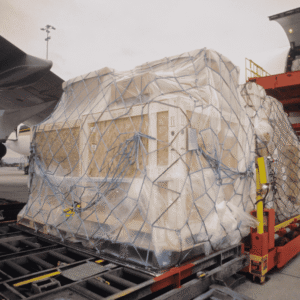
A pallet collected from a Melbourne warehouse on Tuesday afternoon can be on a Sydney dock by Wednesday. It changes hands a few times along the way, but the longest stretch, the overnight run between cities, is called linehaul.
You never see this part of the journey, yet it shapes most of your transit time. Here’s how linehaul works in interstate freight, and what you can do to keep your consignments moving smoothly.
Key Points
- Linehaul is the long-distance, hub-to-hub leg of an interstate delivery, sitting between the collection and delivery depots.
- Consignments are grouped at the origin depot, travel in bulk, then get sorted again on arrival.
- Distance, departure schedules, and driver rest rules all affect how long the trip takes.
- Ready stock, express or standard freight, accurate measurements, and clear receiving requirements are the levers you control.
What Is Linehaul in Interstate Freight?
Linehaul is the movement of goods between fixed points in a transport network, such as depots or hubs, as opposed to the short local runs at either end.
On an interstate job, it’s the middle of three stages. Pickup brings your stock to a nearby depot. Linehaul carries it across state lines to a hub in the destination city. Final delivery takes it to the receiver’s door.
Think of it like a connecting flight. The short legs at each end are flexible, while the main leg runs to a fixed timetable with plenty of travellers sharing one plane.

How the Freight Linehaul Process Works, Step by Step
Carriers vary, but the freight linehaul process follows thesame basic pattern.
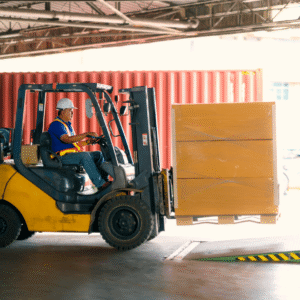
- Collection. A local truck picks up your freight during your dispatch window and brings it back to the origin depot.
- Sort and consolidate. Shipments heading the same way are grouped together, often through cross-docking, where pallets move from one vehicle straight onto another with little or no time in storage.
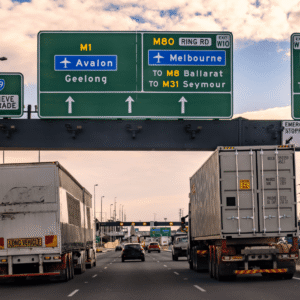
- The main run. A larger vehicle carries the combined load to the destination hub, typically overnight on busy corridors such as Melbourne to Sydney.
- Breakdown. On arrival, the load is unpacked, and each consignment is allocated to a local run.
- Final drop-off. A metro or regional truck delivers to the receiver.
This shared model is what makes a single pallet affordable to send interstate. At AS Freight, small consignments travel on consolidated linehauls alongside cargo from other businesses, so you share the cost of the truck rather than paying for all of it. Urgent or larger jobs can run direct instead, handled only at collection and delivery.
What Affects Interstate Linehaul Delivery Times?
Four main factors decide how long the trip takes.
Distance and lane. Longer routes need more days on the road. Our indicative transit guide for interstate freight puts Melbourne to
Sydney at around one business day and Melbourne to Perth at four to six.
Departure schedules. Trucks leave at set times. Anything that reaches the depot after the cut-off waits for the next departure, which can add a full day.
Regional destinations. Freight bound beyond a capital city usually needs an extra transfer, adding a day or two.
What Parts of Linehaul Can You Control?
You can’t drive the truck, but in our experience, plenty of hold-ups begin before goods leave your dock. Here’s where you can help.
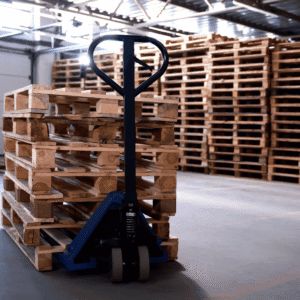
- Be ready before collection. Have pallets wrapped, labelled, and waiting so they make that day’s departure.
- Send accurate packed dimensions. Deck space is what you pay for. A pallet that’s taller than stated or can’t be stacked may not fit the planned load.
- Pack for handling. Your shipment may pass through two depots, so wrap it firmly, keep everything inside the pallet base, and label at least two sides.
- Flag receiving needs upfront. Tailgates, time slots, and distribution centre bookings change how the last leg is planned.
- Check the breakdown on your quote. We itemise linehaul, fuel and handling separately, so you can compare like for like.
Get these right, and the middle of the journey becomes reliable and predictable. To see timing and pricing for your lane, talk to our team about our interstate freight services. Most enquiries are priced the same day.
Frequently Asked Questions
1. Is linehaul the same as long haul?
No. Long haul describes distance, while linehaul describes a stage: the leg between fixed hubs. Most interstate runs do cover big distances, but the two terms aren’t interchangeable.
2. Does my freight change trucks along the way?
On a shared service, generally yes. It moves from a pickup truck onto the interstate run, then to a delivery vehicle at the other end. A direct run keeps it on one truck from start to finish.
3. Is there a minimum size for linehaul consignments?
Not with AS Freight. One pallet is just as welcome as a full truckload, and sharing space with other freight keeps the rate competitive.
4. How long does linehaul take from Melbourne to Sydney?
General palletised freight on this lane should arrive in around one business day, depot to depot. A missed cut-off or a regional address can add time, so we confirm exact timing for each job.