


Get Your Free Custom Freight Quote Today
Share your requirements with us, and our experts will assess your shipping needs to deliver a cost-effective solution
"*" indicates required fields
If one pallet quote has ever come back double the price of another for what looked like the same job, you are not alone. Size, weight, packing, and route all shape the price and the timeline.
Most domestic freight moves on the 1165mm by 1165mm pallet, the size used by pooling providers such as CHEP and Loscam. It was designed around local rail and container dimensions, which is why it shows up everywhere from supermarket loading docks to regional depots. You will also see the 1200mm by 1000mm pallet, common with businesses that ship internationally.
Loaded weight varies by industry, from around 300kg for light goods up to a tonne or more for building materials and machinery. There is no single right size, only the one that matches your product and your supply chain.
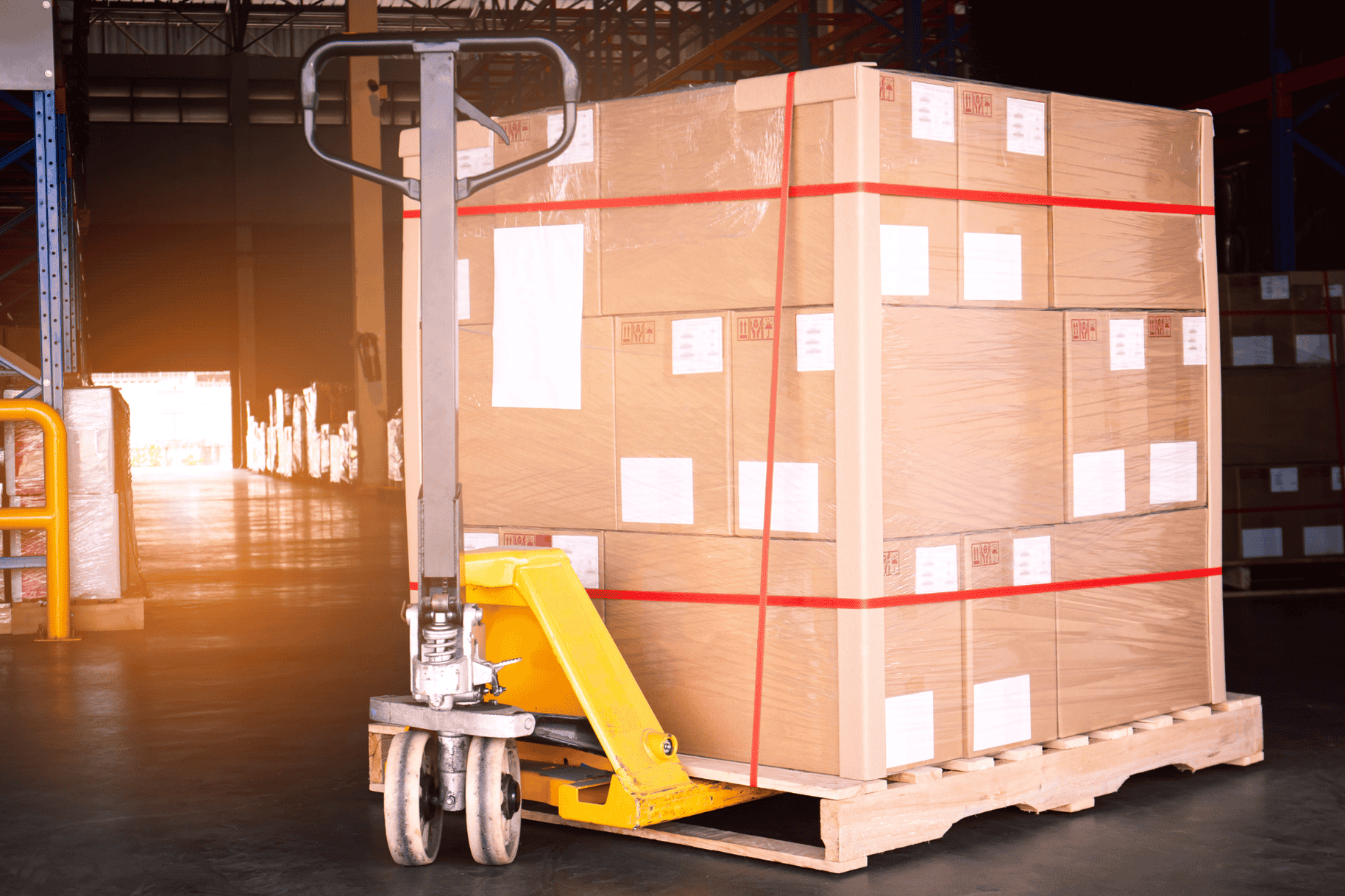
Two numbers matter: your pallet’s actual weight and its cubic weight, which reflects the space it takes up on a truck rather than what it weighs on a scale. Road freight commonly uses a conversion of around 250kg per cubic metre, so a pallet stacked 1.2 metres high on a standard footprint can carry a cubic weight well over 300kg, even if the goods inside are lighter. Freight is charged on whichever figure is higher, which is why a tall, light, bulky pallet can cost more than a dense one of the same weight.
Measure the full stacked height, including any overhang, before requesting a quote. Our pallet transport team can talk you through which weight your shipment is likely to be charged on.
Start with a stable base and keep goods within the edges of the pallet, since overhang adds to the cubic weight and raises the risk of damage. Stretch wrap should be firm enough to hold everything in place without crushing lighter items, and heavier cartons generally belong at the bottom. Australia’s national load restraint guidelines set the benchmark for how freight needs to be secured on the road, and reliable carriers build their handling procedures around that standard. Get the packing right, and your goods arrive as they left.
Transit times depend on pickup and delivery locations, the route, and the service level you choose. A Melbourne to Sydney pallet will usually move faster than one heading to a regional town off the main freight corridors. If you are working to a tight deadline, ask about express or timeslot options rather than assuming standard service will fit the window.
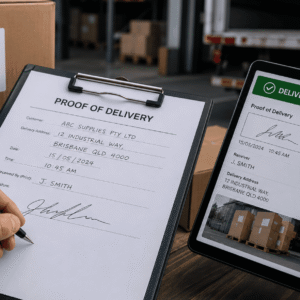
Yes, and it should be standard rather than an extra. Real-time tracking means you know where your freight is between pickup and delivery, which helps your own planning as much as it reassures your customers.
CHEP and Loscam pallets belong to pooling systems. Rather than owning the pallet, you hire it, and unreturned pallets can attract ongoing account charges. Plain pallets are a one-off purchase with no hire fees attached. Both fit the same standard footprint, so the choice usually comes down to your industry and how your supply chain already runs.
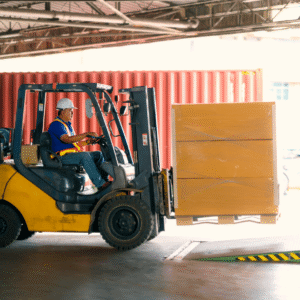
We built our pallet delivery service around the questions above, because they decide whether your freight experience is smooth or stressful. That means clear guidance on sizing and cubic weight before you book, secure handling, real-time tracking, and a dedicated account manager rather than a call centre queue.
Our pallet transport service scales from a single pallet to a regular interstate schedule.
We handle a wide range of sizes and weights, from a single lightweight pallet through to oversized or heavy loads. If yours falls outside standard dimensions, get in touch and we will confirm what the service needs.
Our handling procedures are built to prevent damage in the first place, but if an issue occurs, our account managers work directly with you to resolve it quickly.
Both. Our carrier network covers major cities, regional centres, and rural areas across Australia.
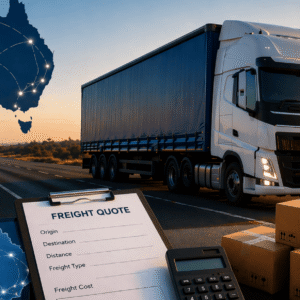
Send our team your pickup and delivery details along with the size and weight of your pallet, and we will confirm the best service and a tailored quote.
Generally, yes, since a pooled pallet stays linked to your account until it is transferred. Plain pallets skip this step.
Read our Blog

Share your requirements with us, and our experts will assess your shipping needs to deliver a cost-effective solution
"*" indicates required fields

