At AS Freight, one of the first questions we hear from customers is, “How much will interstate freight cost?” It is a fair question, especially when you are running a growing business and need to keep delivery costs under control. But interstate freight pricing is rarely as simple as a rate per kilometre. The real cost depends on the freight itself, the route, the delivery conditions, and the level of service needed to get the job done properly.
That matters because many businesses compare quotes on price alone, then find out too late that the service behind the quote does not match the job. A low rate can look attractive at first, but if it comes with weak communication, poor visibility, delivery delays, or extra charges caused by missing details, it stops being good value very quickly.
If you are reviewing interstate freight transport options for your business, it helps to know what really shapes pricing and what a reliable transport partner should be doing before your freight even leaves the site. As a general rule, freight pricing is commonly influenced by factors such as weight, cubic volume, destination, and service speed, which is also reflected in guidance from Australia Post.
Key Takeaways
- Interstate freight pricing is shaped by freight profile, delivery conditions, timing, and route requirements, not just distance.
- The cheapest quote can create bigger costs later if the service is not reliable.
- A good freight partner should ask the right questions before quoting, so pricing reflects the job at hand.
- Better planning usually leads to more accurate pricing and fewer delivery issues.
- Small and medium businesses need a transport partner that is responsive, practical, and easy to work with.
What really affects interstate freight pricing?
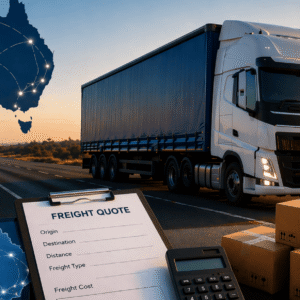
The biggest pricing factor is not always distance. In many cases, it is the freight profile itself. That includes the weight, the dimensions, the number of pallets, and how much trailer space the shipment takes up. A load can be light but still take up a lot of room. In that case, space becomes part of the pricing decision.
Service level also matters. Standard interstate freight will usually be priced differently from urgent freight and time-critical freight, or jobs that need extra coordination from pickup through to final delivery. The tighter the requirements, the less flexibility there is in the network, and that often affects the rate.
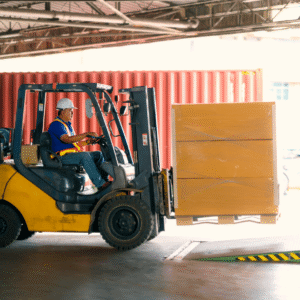
Pickup and delivery conditions are another major factor. This is one of the most common areas where businesses get caught out. If a site has limited access, no forklift, strict receiving times, tail lift requirements, or awkward unloading conditions, the job needs to be planned differently. The same applies when freight is fragile, oversized, hard to handle, or being delivered across more than one location.
Route optimisation matters too. Freight moving between major capital cities can be very different from freight heading into regional centres or rural areas. Transit planning, linehaul availability, and local delivery coordination can all affect the final price.
From our experience, accurate interstate freight pricing starts with a scope. When the dimensions are wrong, the pallet count changes, or delivery conditions are raised too late, that is when businesses run into problems that could have been avoided from the start.

Why the cheapest freight quote is not always the best value
For small and medium businesses, freight is never just a transport cost. It can affect customer service, stock availability, project timing, and the amount of time your team spends dealing with delays and delivery issues.
That is why the cheapest quote is not always the best option. If your provider is difficult to contact, if there is limited tracking, or if the original quote does not reflect the real job, the hidden costs show up somewhere else. It shows up in follow-up calls, frustrated customers, missed delivery expectations, and staff time spent chasing answers.
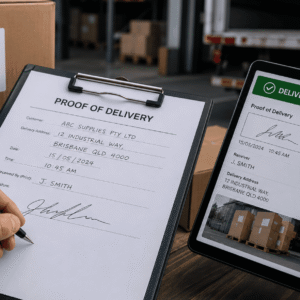
A strong freight partner helps reduce that pressure. You should know what has been booked, what service level you are paying for, what to expect during transit, and who to contact if something changes. In practical terms, that often matters more than saving a small amount on the initial quote.
Good value in interstate freight usually looks like this. The quote is accurate. The service fits the freight. Communication is clear. Delivery runs as expected. Problems are handled quickly when they come up.
That is the difference between buying a cheap service rate and choosing a reliable partner.
What small and medium businesses should expect from the right transport partner
A good transport partner should make freight easier to manage, not harder.
- First, you should expect accurate quoting. That means the provider asks proper questions about your freight, including dimensions, weight, pallet count, access conditions, delivery timing, and any special handling needs. If those details are skipped, there is a higher chance the quote will not hold up once the job starts moving.
- Second, you should expect practical advice. Not every shipment needs the fastest service, and not every business needs the same freight setup each week. A reliable partner should help you choose the service that suits the freight, the timing, and the budget, without making the process more complicated than it needs to be.
- Third, you should expect visibility over your freight. If your freight is moving between Melbourne, Sydney, Brisbane, Adelaide, Perth, or into regional locations, you need confidence that updates will be available and that your team will not be left guessing. Clear communication matters because it helps you plan around pickups, deliveries, stock movement, and customer expectations.
- Fourth, you should expect flexibility. Many small and medium businesses do not have fixed freight patterns all year round. Volumes rise and fall. Delivery points change. Some weeks involve pallet freight, other weeks require something more tailored. Your transport partner should be able to support those changes without turning each booking into a problem.
How better planning helps manage freight costs
One of the easiest ways to improve freight costs is better planning before the job is booked.
That can be as simple as confirming accurate dimensions, listing the right pickup and delivery details, consolidating freight where it makes sense, and avoiding last-minute bookings where possible. These steps help produce a quote that matches the real task, and they also reduce the chance of delays, double handling, and pricing changes later.
For many businesses, better planning is not about doing more admin. It is about giving the freight provider the right information early so the service can be matched properly to the job. We cover this in more detail in our guide to freight planning strategies, especially for businesses looking to improve cost control without making deliveries harder to manage.
Questions to ask before booking interstate freight
Before choosing a provider, ask a few practical questions.
- What is included in the quote?
- What details do you need from me to price the job correctly?
- Will this service suit my freight profile, site access conditions, and delivery timeframes?
- What updates will I receive once the freight is in transit?
- Can you support regional deliveries or volume changes as my business grows?
These questions do more than help you compare quotes. They help you understand whether the provider is thinking about the job properly from the beginning.
Why AS Freight is a strong fit for growing Australian businesses
We work with businesses that need more than a basic delivery service. They need interstate freight support that is reliable, easy to manage, and tailored to the way their operations actually run.
That is why our approach focuses on clear communication, practical support, and quoting that reflects the real job. We look closely at your freight profile, route, delivery conditions, timing, and handling needs before the freight moves. This gives our customers a clearer picture of what to expect and helps reduce issues.
For small and medium businesses, that kind of support makes a real difference. You want pricing that makes sense, service that is dependable, and a team that is straightforward to deal with. That is what the right freight partner should provide.
Looking for a freight partner that offers clear pricing, reliable delivery, and support that fits your business? Speak with AS Freight about a solution built around your needs.
FAQs
1. What affects interstate freight pricing the most?
The main factors are freight size, weight, cubic volume, destination, service level, and delivery conditions. Access issues, special handling needs, and strict delivery timeframes can also change the final rate.
2. Is the cheapest freight quote always the best option?
No. A cheaper quote can lead to more follow-up work, weaker communication, delays, or extra charges later if the job was not priced properly from the start. It is better to compare the full value of the service, not just the opening rate.
3. What should small businesses expect from interstate transport services?
Small businesses should expect clear quoting, dependable delivery, practical communication, and a service that suits the freight being moved. The right provider should make freight easier to manage, not more time-consuming.
4. How can the right freight partner help control delivery costs?
The right partner helps by pricing accurately, reducing avoidable delivery issues, and matching the service level to the job. Better planning and clearer communication usually lead to better cost control over time.
5. What should I ask before booking interstate freight transport?
Ask what is included in the quote, what job details are needed for accurate pricing, what updates you will receive, and whether the provider can support your freight type, destination, and future volume changes. Those answers will tell you a lot about the service behind the quote.