

Get Your Free Custom Freight Quote Today
Share your requirements with us, and our experts will assess your shipping needs to deliver a cost-effective solution
"*" indicates required fields
Interstate road freight plays a big part in how Australian businesses move goods between states. Whether you are shipping pallets, equipment, or bulk products, understanding how the process works helps you plan with confidence. This guide breaks down what interstate road freight involves, the timelines you can expect, the compliance requirements that keep freight moving safely, and how a trusted partner like AS Freight supports your business from start to finish.
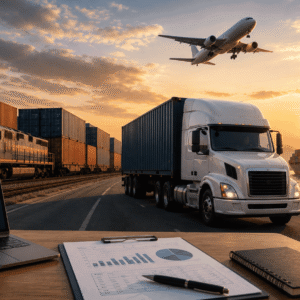
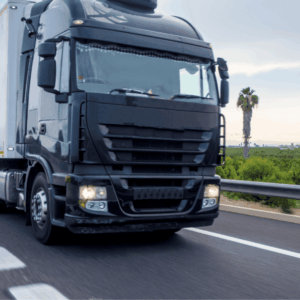
Interstate road freight refers to transporting goods by truck from one Australian state to another. For many businesses, it is one of the most flexible and cost-friendly ways to move freight across the country. Road transport supports a wide range of industries, including retail, e-commerce, manufacturing, wholesale, and more.
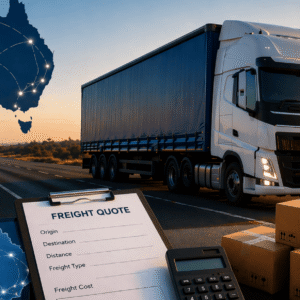
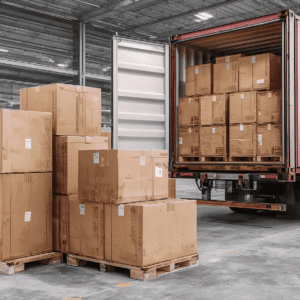
Businesses in Melbourne often rely on interstate freight to reach customers and facilities in Sydney, Brisbane, Adelaide, Perth, and regional areas. It is suitable for palletised goods, machinery, general freight, and oversized loads. Because trucks can travel directly between pickup and delivery points, road transport offers consistency for businesses that need predictable schedules.
The interstate freight delivery process can be broken into three simple steps.
Before goods are moved, a freight provider reviews key details such as pallet count, dimensions, weight, and delivery requirements. AS Freight uses MachShip technology for accurate quoting and smooth booking, helping businesses compare options and track their freight from the moment it is scheduled. According to MachShip, digital tools like automated consignments and live tracking reduce delays and improve planning for businesses.
Once the freight is booked, goods are collected from your business or warehouse. They are then transported through national linehaul routes that connect major states. Linehaul is the long-distance part of the journey, where trucks travel overnight or across several days, depending on the distance. Tracking updates help you see where your freight is and when it is expected to arrive.
When the freight reaches its destination state, it is prepared for local delivery. Businesses can request time slot deliveries when they need goods to arrive at a certain time. Clear communication during this stage helps avoid delays and makes receiving goods easier for your team.

Freight timelines depend on distance, load type, road conditions, and seasonal demand. Here are common examples based on typical industry linehaul schedules:
According to the National Transport Commission, road freight volumes increase during peak seasons, which can affect travel times and scheduling (NTC). Planning ahead helps businesses avoid unexpected delays, especially for large or sensitive freight.
Interstate freight providers must follow strict compliance rules to keep people and goods safe.
CoR laws ensure everyone involved in the transport process shares responsibility for safety. This includes loaders, packers, schedulers, and transport operators. The Heavy Vehicle National Law outlines these requirements and helps reduce risks on Australian roads (NHVR).
Freight must be packed and secured correctly to prevent movement during transport. The Load Restraint Guide sets national standards for ensuring freight stays secure, especially during long-distance travel.
Trucks have maximum weight limits to protect road infrastructure and maintain safety. Proper planning ensures each vehicle carries the right amount of freight.
Long-distance transport relies on trained drivers who follow regulated rest breaks. Fatigue rules support safe road operations across every state.
AS Freight aims to make interstate freight simple for businesses in Melbourne and across Australia. When you work with their team, you can expect:
Melbourne is a major freight hub, and AS Freight helps businesses of all sizes move goods efficiently across the country. Their national network covers major cities including Sydney, Brisbane, Adelaide, Canberra, and Perth. They work with a range of industries and offer scalable options for small shipments through to large project work.
With the support of advanced technology and a hands-on customer service team, businesses can move freight without the stress that often comes with interstate logistics. This approach helps companies stay focused on daily operations while AS Freight manages the transport process.
If your business needs reliable interstate freight support, AS Freight is ready to help. Their team can guide you through the process, provide a tailored quote, and answer any questions about moving goods across Australia.
Freight should be packed securely, labelled clearly, and placed on quality pallets. The Load Restraint Guide notes that proper packing helps prevent damage during long-distance travel.
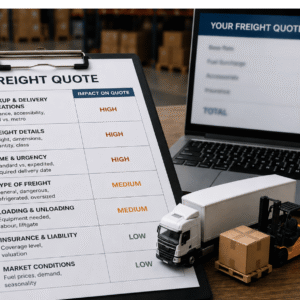
Pricing can depend on distance, weight, dimensions, load type, and delivery requirements. Digital quoting tools like MachShip offer transparent cost breakdowns for businesses, comparing freight options.
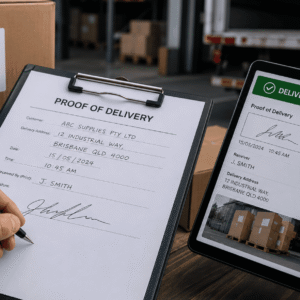
Yes. Tracking tools provide updates during linehaul and delivery. AS Freight uses MachShip to give customers real-time visibility throughout the journey.
Yes, many providers, including AS Freight handle general freight, palletised loads, and oversized cargo. This makes it easier for businesses with mixed transport needs.
Booking early is recommended, especially during peak freight seasons. The National Transport Commission reports that demand increases significantly during holiday and high-production periods. The best thing to do is call ahead and work through all possible scenarios to get the best result for you and your client.
Read our Blog
Share your requirements with us, and our experts will assess your shipping needs to deliver a cost-effective solution
"*" indicates required fields