



Get Your Free Custom Freight Quote Today
Share your requirements with us, and our experts will assess your shipping needs to deliver a cost-effective solution
"*" indicates required fields
Interstate freight is a major operational cost for businesses across Australia, especially those shipping from Melbourne to other states. Rising fuel prices, increased compliance requirements and national demand have all made freight more expensive than it used to be. If you rely on interstate transport, understanding what drives pricing and how to optimise your freight can make a meaningful difference to your bottom line.
This guide breaks down the key factors shaping interstate freight costs and offers practical steps to reduce spending while maintaining reliable service. You will also see how AS Freight supports businesses with transparent pricing and a smooth freight experience.
Pricing pressures across Australian transport networks have changed in recent years. Higher operating costs, labour shortages, increased regulatory requirements and congestion on key freight corridors influence what businesses pay for interstate movements. Ongoing efforts focused on freight efficiency and transport reform in Australia aim to improve productivity and reduce unnecessary costs across road and rail networks. For Melbourne-based companies shipping to Sydney, Brisbane, Perth or regional locations, these pressures can create noticeable variations in quotes.
Being aware of these broader cost drivers helps businesses understand why freight rates fluctuate and why efficient planning matters.
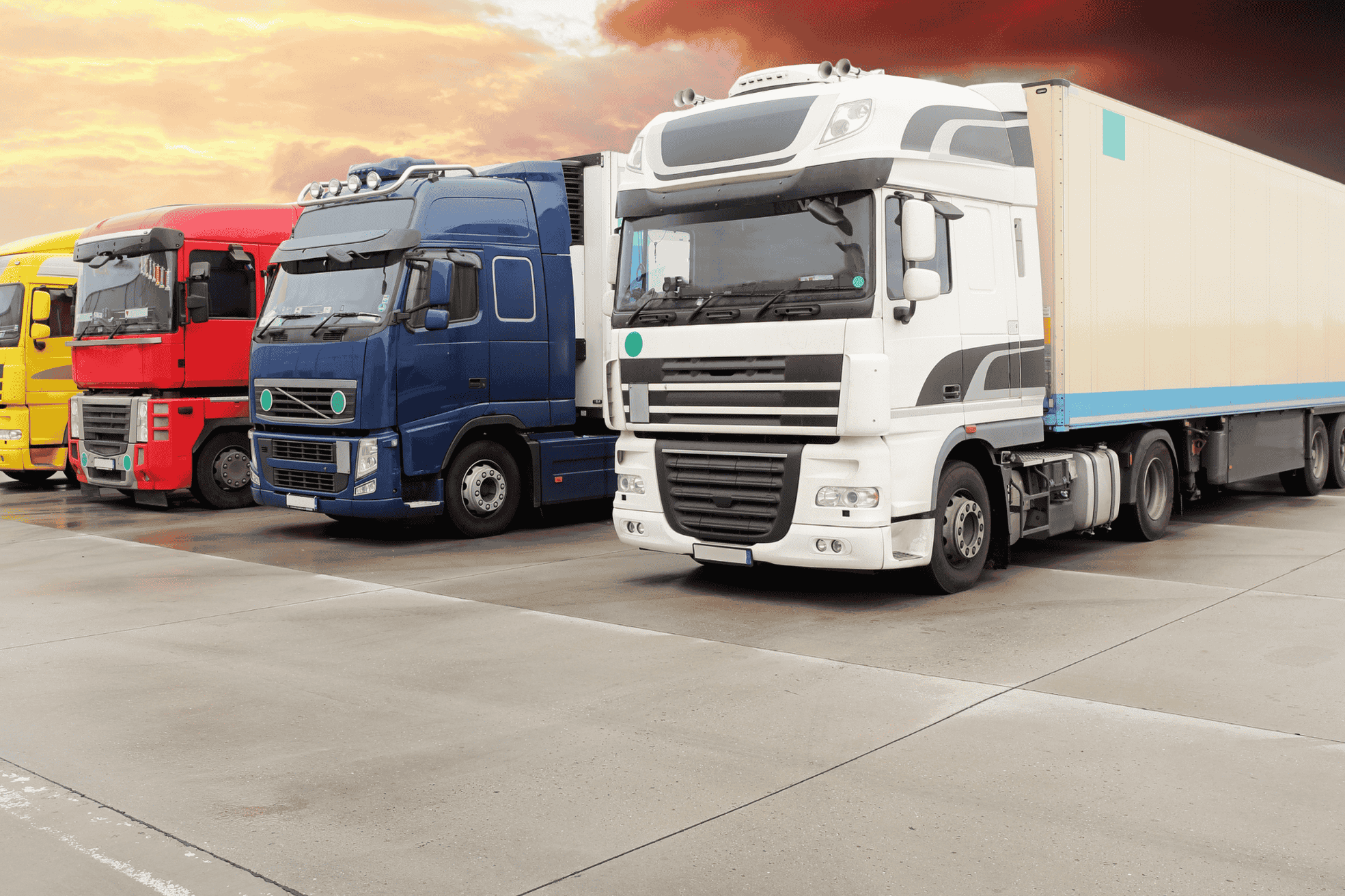
Freight pricing is a combination of several factors rather than a single flat rate. The following elements have the biggest impact on your overall spend.
Longer distances increase the base transport cost. High-demand lanes like Melbourne to Sydney often offer more competitive rates than remote or low-volume routes. Deliveries to regional areas typically attract higher costs because carriers have fewer vehicles and less regular network coverage.
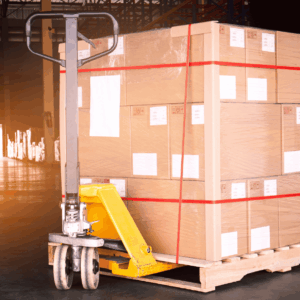
Freight is priced based on whichever measure is greater, weight or cubic volume. A well-built, standard pallet is usually cheaper to move than freight that overhangs or uses irregular dimensions that don’t fit onto regular pallets. Small improvements in pallet configuration can reduce both handling time and the cubic space billed.
Standard road transport remains the most cost-effective option for interstate freight, along with rail freight for major long haul jobs. Express road or air freight is significantly more expensive and should only be used when timing is critical. Choosing express when it is not needed is one of the most common ways businesses increase freight costs without realising.
Extra labour or equipment leads to extra charges. Tail lift requirements, hand unloads, tight access delivery points or restricted receiving times are all factors that influence your final rate.
Fuel levies, tolls, waiting time, re-delivery fees and storage charges can vary from job to job. Being aware of these helps you compare freight quotes more accurately.
While every carrier structures pricing differently, most quotes fall into a few familiar models.
Each pallet attracts a fixed rate for the lane. Good for predictable, standardised freight.
Used mainly for full loads or dedicated transport. Cost is calculated based on distance.
Rates are set for specific regular routes. This model gives businesses better predictability and makes budgeting easier.
Because carriers have different network strengths, technology and capacity, two quotes for the same lane can look very different.
The cheapest option is not always the most reliable or the most cost-effective once extras are considered.
Some of the biggest contributors to freight overspend come from small operational issues.
If your freight arrives outside a scheduled window or when a receiver is unavailable, carriers may charge waiting time or a re-delivery fee. For high-volume lanes, these costs add up fast.
Inaccurate data leads to reweighs and re-measures, which often come with additional fees. Damaged or unstable packaging also increases handling time and the risk of claims.
Shipping small, frequent loads instead of consolidating your freight creates a higher cost per unit. Better planning improves efficiency and reduces your overall spend.
Businesses without real-time tracking or automated booking tools often experience preventable delays, missed bookings and unexpected charges.

Small operational changes can create meaningful savings.
Longer lead times give carriers more flexibility and reduce reliance on express services. Consolidating orders into fewer pallets keeps your per-unit cost down.
Use standard pallets wherever possible, stack freight securely, and minimise wasted cubic space. Strong, well-organised pallets move faster and cost less to transport.
If the customer does not require next-day delivery, choose a standard service. Matching the service level to the real urgency of the shipment is one of the simplest ways to reduce costs.
Monitoring spend by lane, carrier performance and shipment frequency highlights patterns and helps you identify improvements.
AS Freight supports businesses with clear communication, reliable service and industry experience.
AS Freight manages interstate transport across major cities and regional locations. This includes pallet freight, full loads and specialised freight across industries such as e-commerce, FMCG, wholesalers, engineering, manufacturing and mining.
With advanced freight technology, AS Freight provides accurate quoting and live tracking. This helps reduce unexpected fees and gives businesses confidence in their supply chain.
AS Freight tailors transport solutions based on your freight characteristics, delivery requirements and volume. This ensures you pay only for the services you need.
The AS Freight team is responsive and proactive. By addressing small issues before they escalate, they help customers avoid extra charges, delays and unnecessary stress.
The best freight partner is not always the cheapest on paper.
A low upfront price that comes with limited visibility or frequent extras often becomes more expensive over time.
Some freight movements justify a slightly higher rate.
If missing a delivery causes lost sales or downtime, choosing a faster or more secure service can protect revenue.
A carrier with strong performance and lower damage rates delivers better long-term value, even if the headline rate is higher.
If you want more control over your interstate freight costs or need guidance on improving efficiency, AS Freight is ready to help. Whether you ship daily, weekly or on demand, the team can provide tailored support.
They are based on distance, weight, volume, service level and handling requirements. Surcharges such as tolls or waiting time may also apply.
Planning ahead, consolidating freight, improving packaging and choosing the right service level all help reduce cost. A freight partner like AS Freight can support route planning and transparent pricing.
Use accurate freight data, realistic timelines and reliable tracking tools. Good communication between sender, carrier and receiver reduces errors.
Yes. Combining shipments into fewer pallets or loads lowers the cost per unit and improves handling efficiency.
A freight partner provides access to multiple carriers, better visibility and dedicated support. This creates a smoother process and helps prevent extra charges, better service across multiple lanes and more often than not a cost saving.
Read our Blog
Share your requirements with us, and our experts will assess your shipping needs to deliver a cost-effective solution
"*" indicates required fields